
 Image 1 of 2
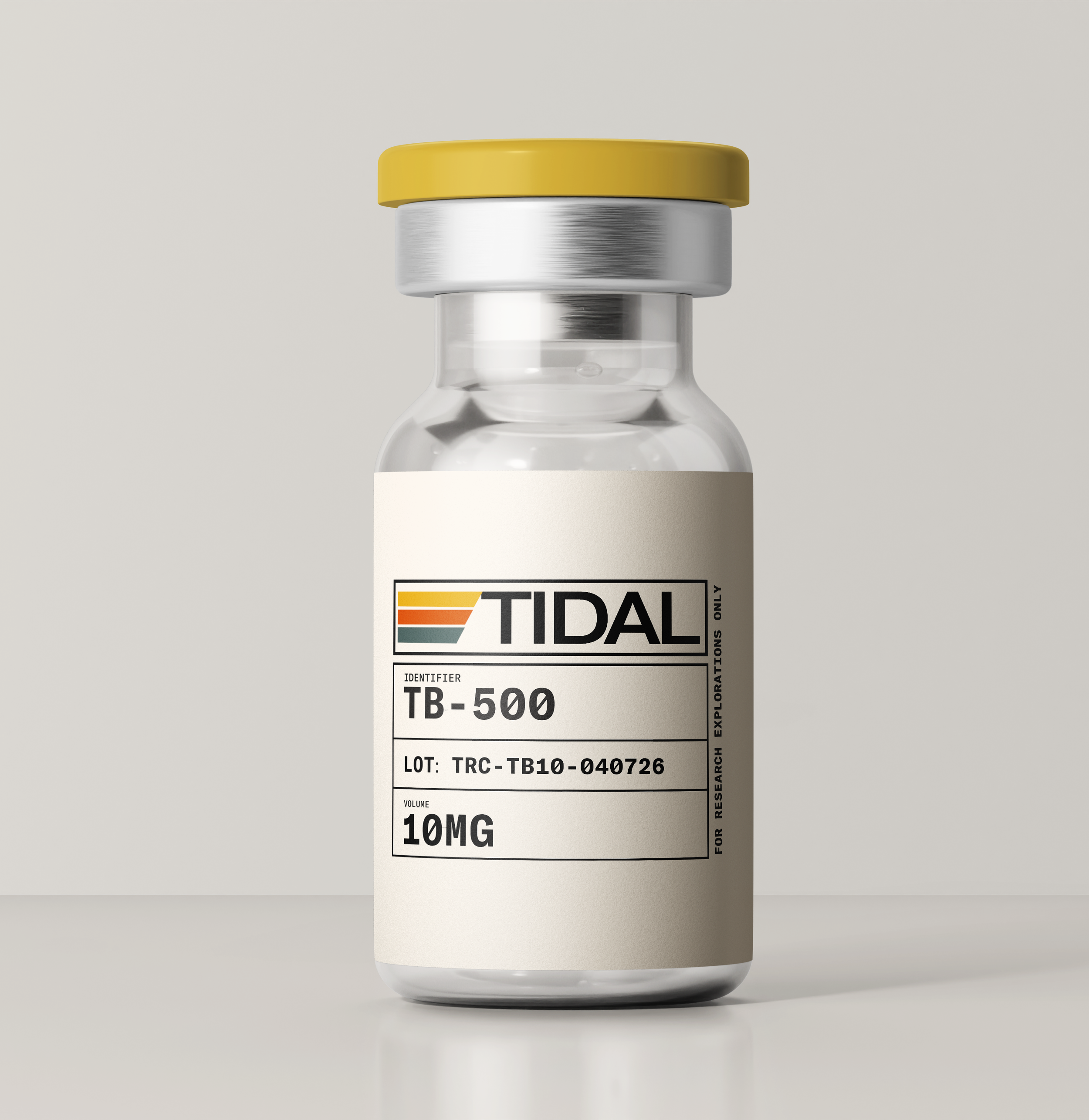 Image 2 of 2
Research Context
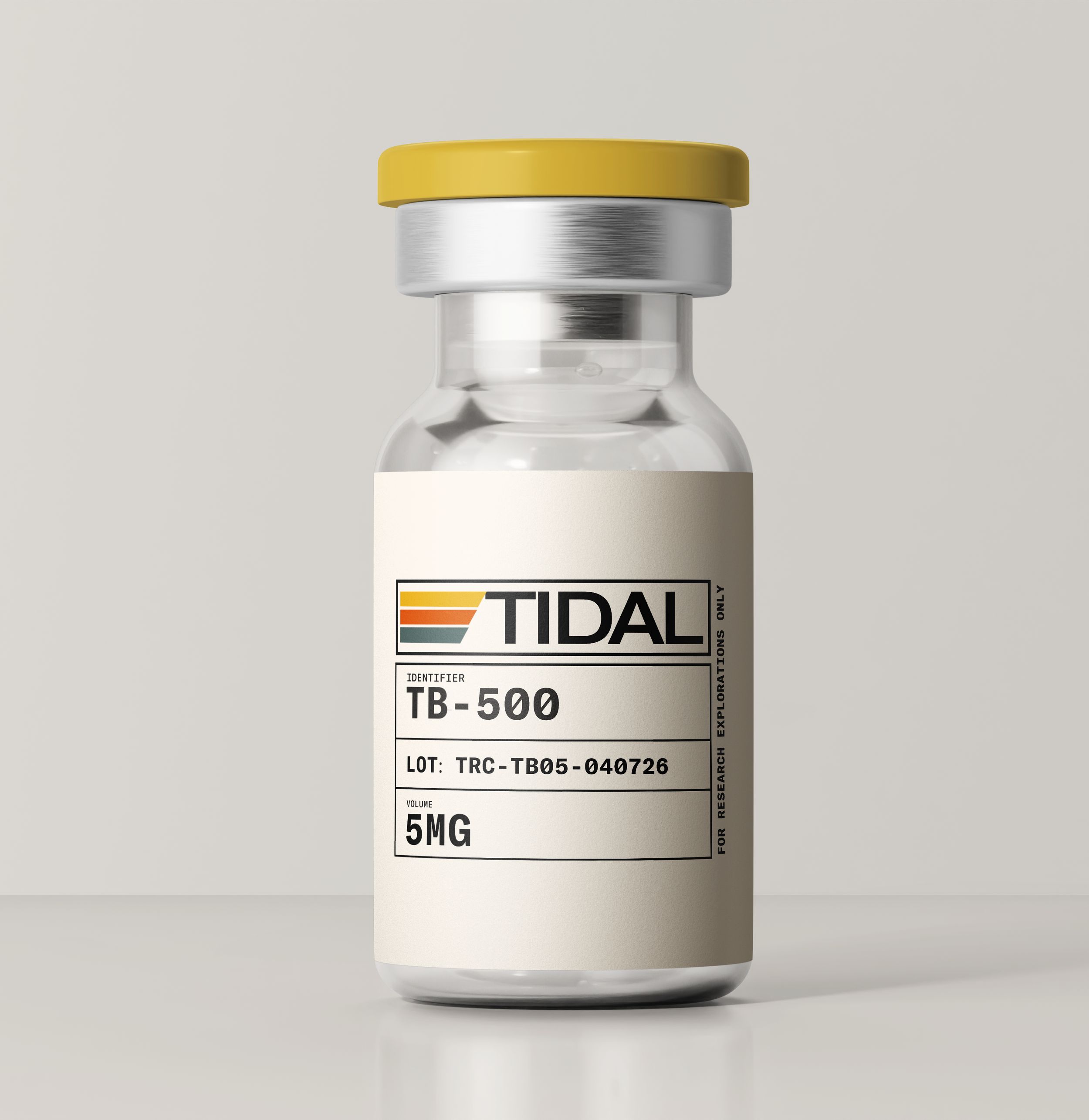
TB-500 is a synthetic heptapeptide corresponding to the actin-binding domain (amino acids 17-23) of the endogenous 43-amino acid protein thymosin beta-4. This fragment retains the LKKTETQ motif responsible for actin sequestration and cytoskeletal interaction, making it a focused tool for researchers studying actin dynamics, cell migration, and cytoskeletal organization.
Thymosin beta-4 was originally identified as a thymic hormone and subsequently recognized as a major intracellular G-actin sequestering peptide present at high concentrations in many mammalian cell types. The published literature encompasses investigations into actin polymerization dynamics, endothelial cell differentiation, keratinocyte migration, and collagen deposition in preclinical models.
The distinction between TB-500 (the 7-amino acid fragment) and full-length thymosin beta-4 (43 amino acids) is an important analytical consideration — researchers working with this compound should specify which form they are using in their methods.
Key References
Goldstein AL, et al. (2007). "Thymosin β4: a multi-functional regenerative peptide." Ann NY Acad Sci. 1112:148-154. PMID: 17468232
Huff T, et al. (2001). "β-Thymosins, small acidic peptides with multiple functions." J Mol Biol. 312(3):593-606. PMID: 11575916
Malinda KM, et al. (1999). "Thymosin beta-4 accelerates wound healing." FASEB J. 13(14):2106-2114. PMID: 10593858
Ho EN, et al. (2012). "Doping control analysis of TB-500, a synthetic version of an active region of thymosin β4." J Chromatogr A. 1265:57-69. PMID: 23084823
Sosne G, et al. (2007). "Thymosin beta 4: a novel corneal wound healing and anti-inflammatory agent." Clin Ophthalmol. 1:201-207. PMC free article