
TIDAL RESEARCH CO.
Fueling the engine of independent discovery.
Research-grade reagents for the citizen researcher.
12 therapeutic breakthroughs,8 Nobel Prizes and counting...
We offer best-in-class materials for those seeking to add to a century-old scientific tradition.
Curiosity deserves rigor.
Tidal Research exists as an on-ramp for citizen researchers desiring to add to an exciting field that has already benefited the lives of tens of millions of people.
We make consistent, measurable, quality re-agents easily available, helping you contribute to this world in a meaningful way that will be taken seriously.
Community driven research materials
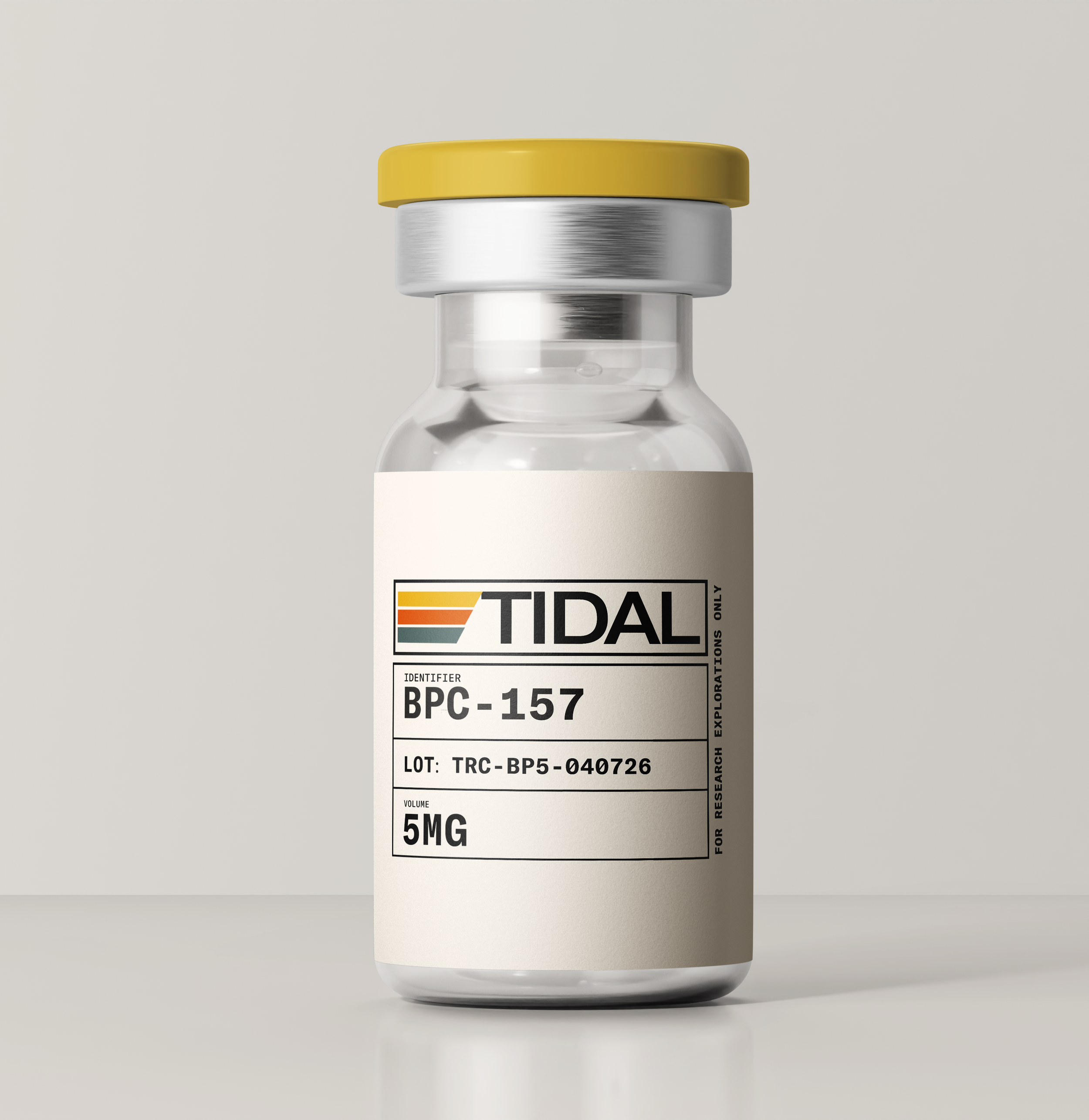
Full Name: Body Protection Compound-157 (Pentadecapeptide BPC 157)
CAS Number: 137525-51-0
Molecular Formula: C₆₂H₉₈N₁₆O₂₂
Molecular Weight: 1,419.53 g/mol
Amino Acid Sequence: Gly-Glu-Pro-Pro-Pro-Gly-Lys-Pro-Ala-Asp-Asp-Ala-Gly-Leu-Val
PubChem CID: 9941957
Appearance: White lyophilized powder
Solubility: Freely soluble in water at normal pH Storage: -20°C, desiccated, protected from light
Stability: Stable in gastric juice (distinguishes it from most peptides)
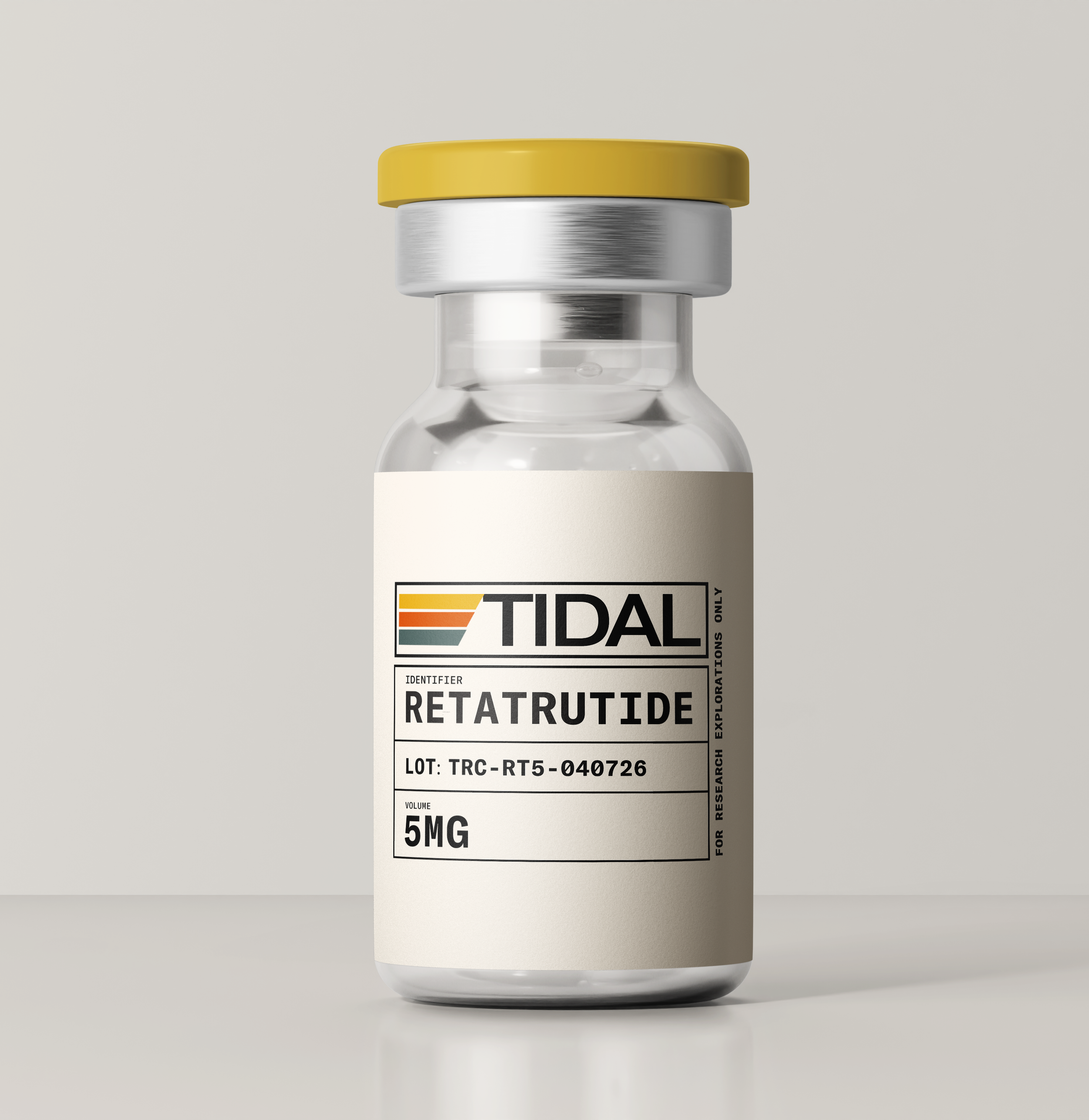
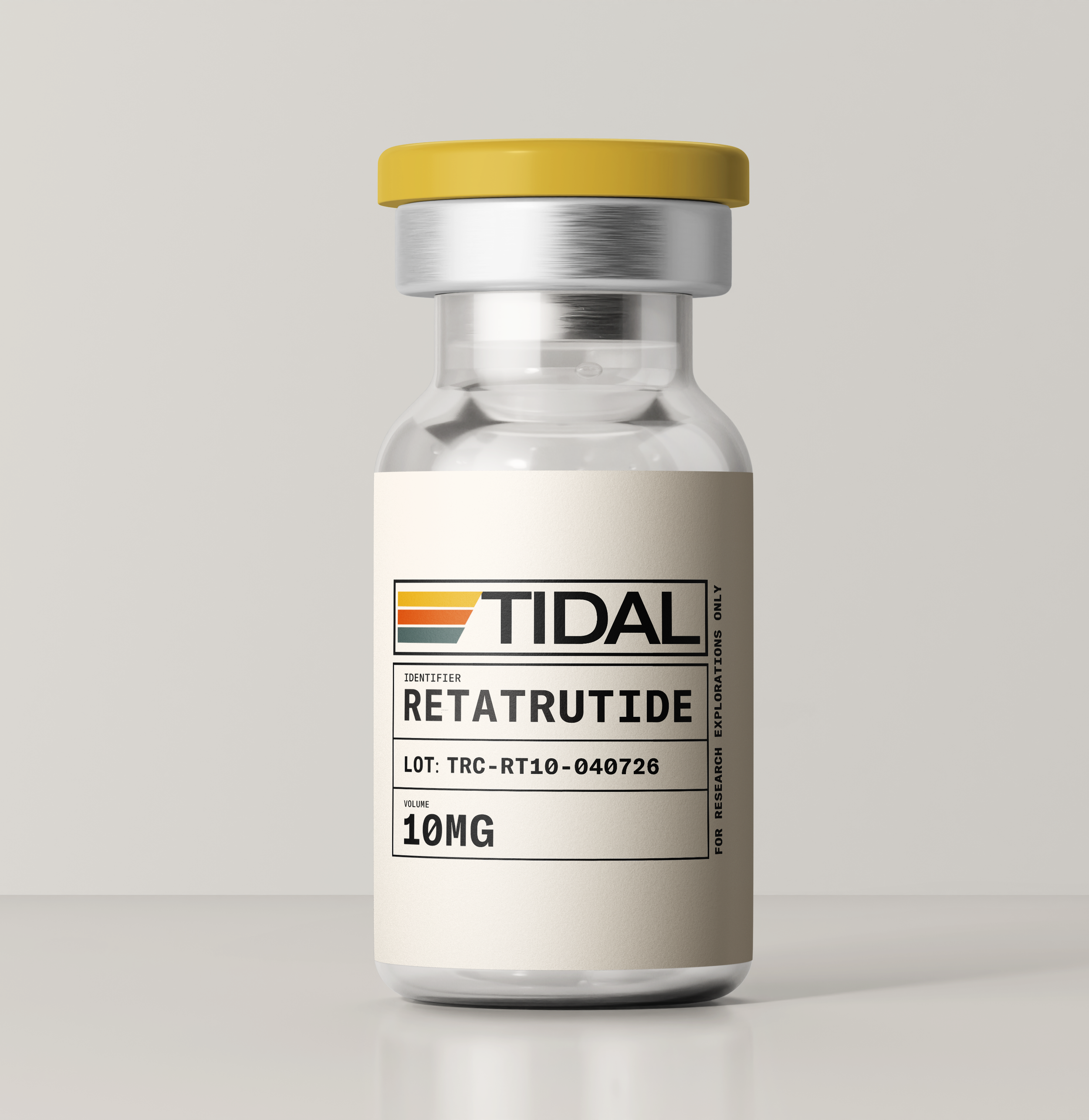
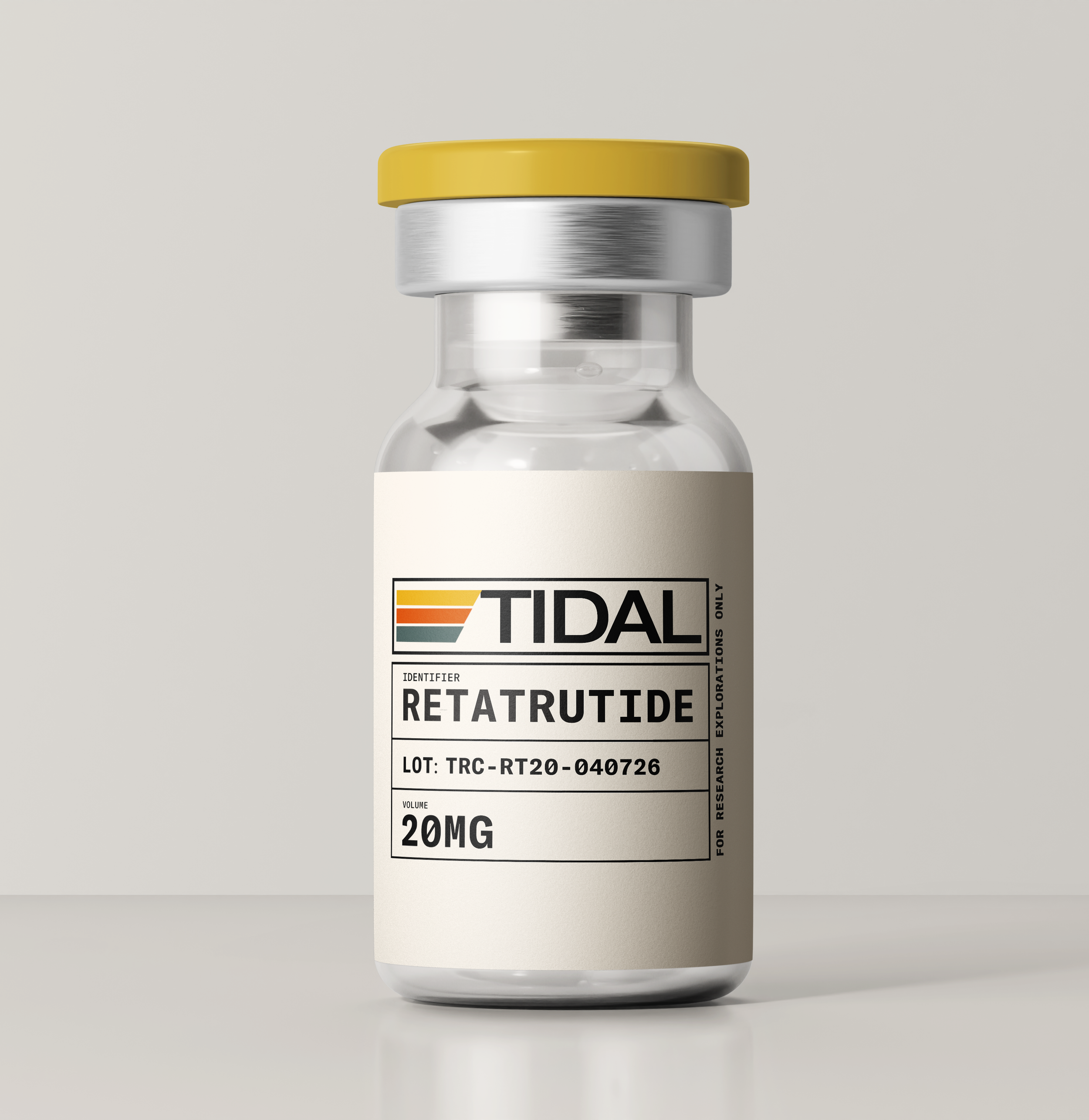
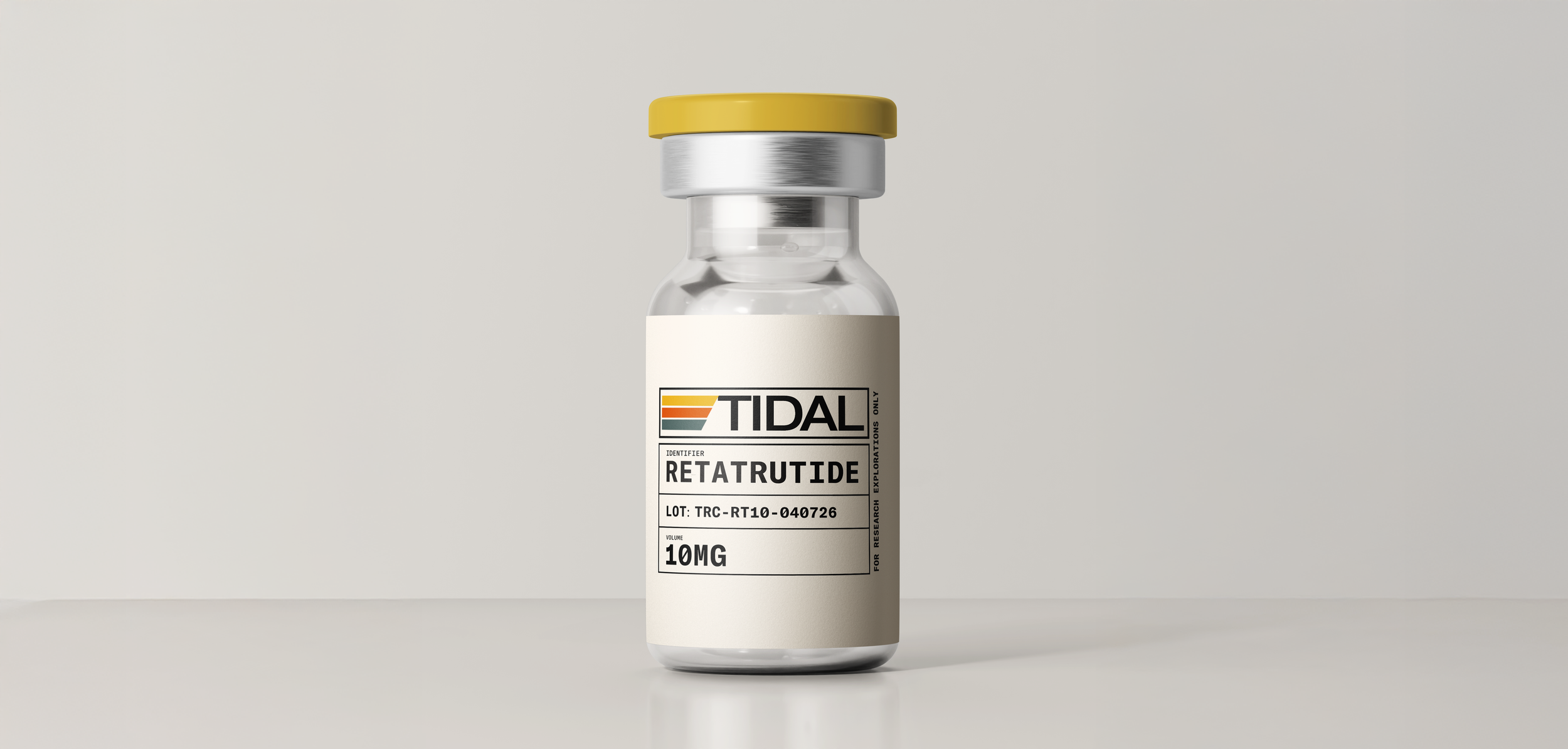
Full Name: Retatrutide (LY3437943)
CAS Number: 2381089-83-2
Molecular Formula: C₂₇₅H₄₁₅N₇₅O₈₃S₂
Molecular Weight: 6,376 g/mol (approximate)
Appearance: White lyophilized powder
Solubility: Water-soluble (pH-dependent)
Storage: -20°C, desiccated, protected from light
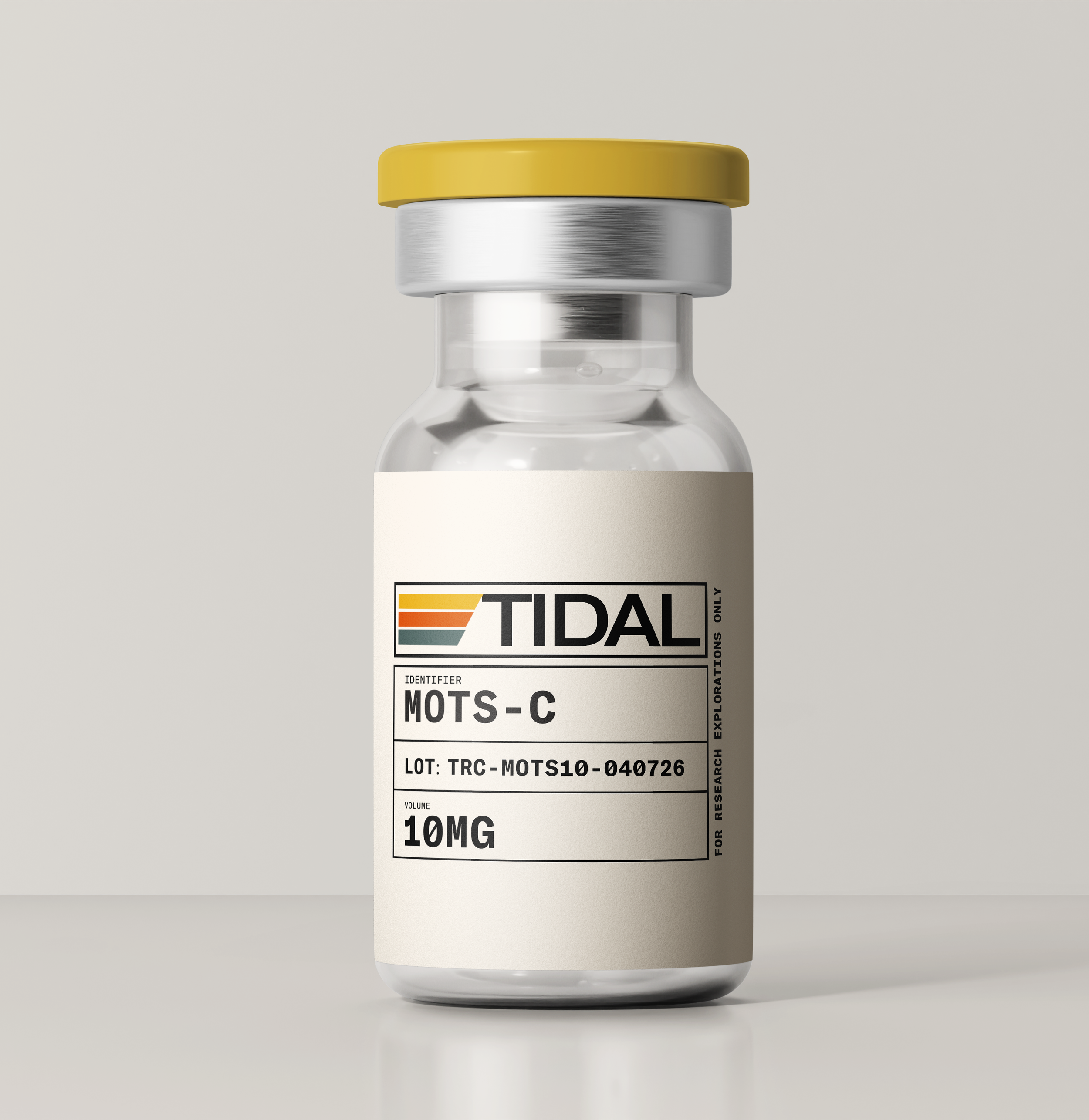
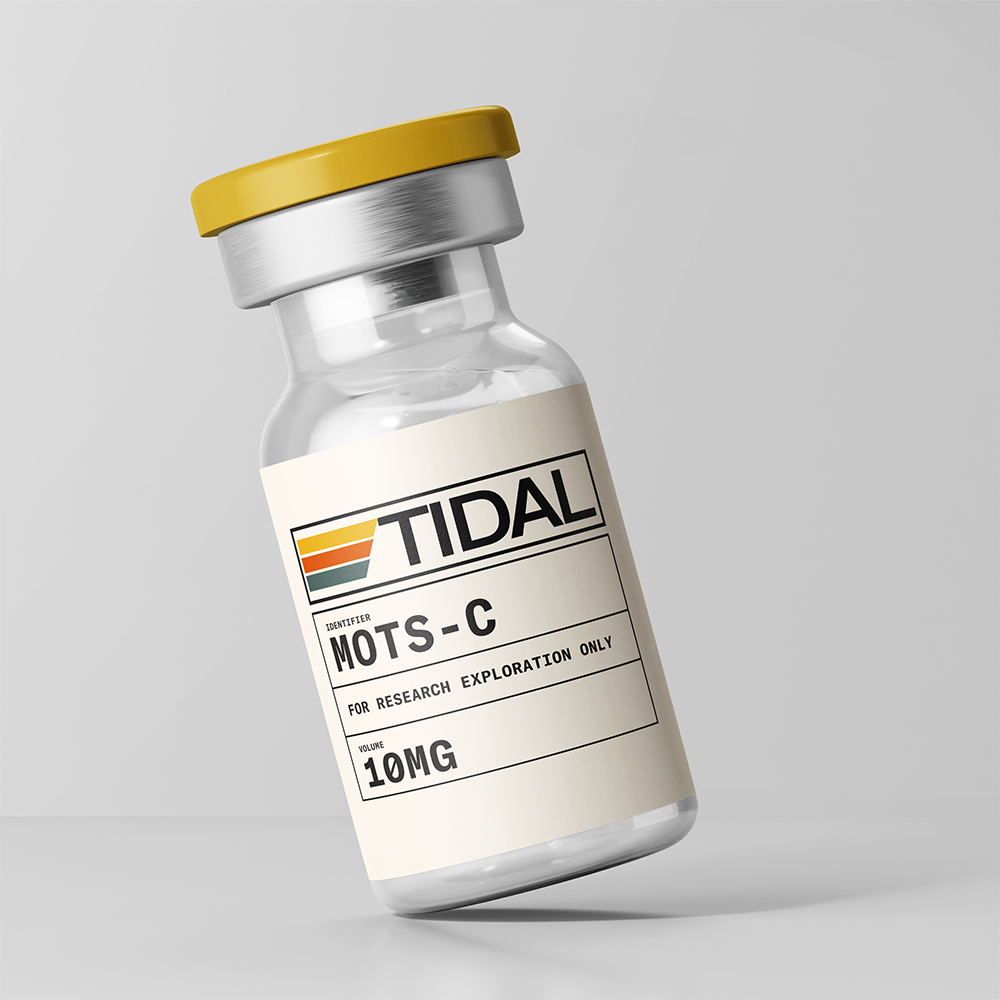
Full Name: Mitochondrial Open Reading Frame of the 12S rRNA Type-c
CAS Number: 1627580-64-6
Molecular Formula: C₇₈H₁₂₅N₂₃O₂₃S₂
Molecular Weight: 1,797.08 g/mol
Amino Acid Sequence: Met-Arg-Trp-Gln-Glu-Met-Gly-Tyr-Ile-Phe-Tyr-Pro-Arg-Lys-Leu-Arg PubChem CID: 91810087
Appearance: White lyophilized powder
Solubility: Water-soluble (may require brief sonication)
Storage: -20°C, desiccated, protected from light
Research Context
MOTS-c was discovered in 2015 by Lee et al. at the University of Southern California, making it one of the most recently identified bioactive peptides in the mitochondrial-derived peptide family. It is encoded by the mitochondrial 12S rRNA gene, representing a novel class of signaling molecules that originate from the mitochondrial genome rather than the nuclear genome.
This discovery opened a new area of investigation in mitochondrial biology — the recognition that mitochondria produce bioactive peptides that participate in metabolic signaling. Research interest centers on AMPK pathway activation, folate-methionine cycle interaction, and the broader question of how mitochondrial-encoded peptides communicate with the nuclear genome (retrograde signaling).
MOTS-c is particularly significant as a research compound because it represents a paradigm shift in how the field understands mitochondrial function — moving from energy production to active signaling participation. The published literature is young but growing rapidly.
Key References
Lee C, et al. (2015). "The mitochondrial-derived peptide MOTS-c promotes metabolic homeostasis and reduces obesity and insulin resistance." Cell Metab. 21(3):443-454. PMID: 25738459
Kim SJ, et al. (2018). "Mitochondrial-derived peptides in aging and disease." J Clin Invest. 128(10):4379-4390. PMID: 30247164
Reynolds JC, et al. (2021). "MOTS-c is an exercise-induced mitochondrial-encoded regulator of age-dependent physical decline." Nat Commun. 12(1):470. PMID: 33473109
Kim KH, et al. (2018). "Mitochondrial-derived peptide MOTS-c activates AMPK pathway." J Am Chem Soc. 140(3):886-892.
Lee C, et al. (2022). "Mitochondrial-derived peptides as novel regulators of metabolism." J Mol Endocrinol. 68(2):R29-R42.
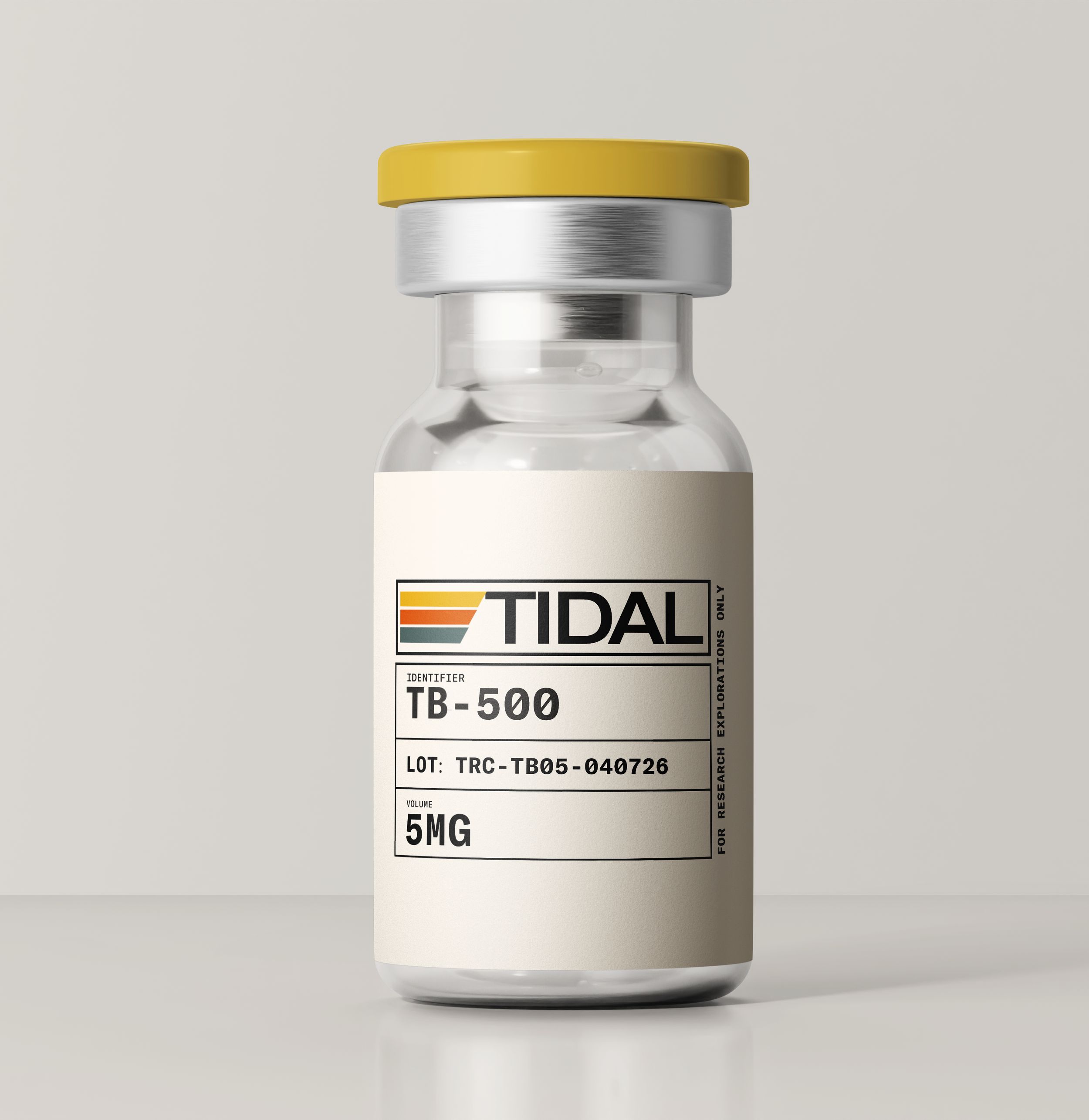
Full Name: Thymosin Beta-4 Active Fragment (Ac-LKKTETQ)
Also Known As: TB-500, Fequesetide, Thymosin β4 (17-23)
CAS Number: 885340-08-9 (TB-500 / Ac-LKKTETQ); 77591-33-4 (full-length Thymosin β4)
Molecular Formula: C₃₈H₆₈N₁₀O₁₄ (TB-500 acetylated form)
Molecular Weight: 889.02 g/mol (TB-500); 4,963.55 g/mol (full-length Tβ4)
Amino Acid Sequence (TB-500): Ac-Leu-Lys-Lys-Thr-Glu-Thr-Gln
PubChem CID: 62707662 (TB-500); 16132341 (Tβ4)
Appearance: White lyophilized powder
Solubility: Water-soluble
Storage: -20°C, desiccated, protected from light
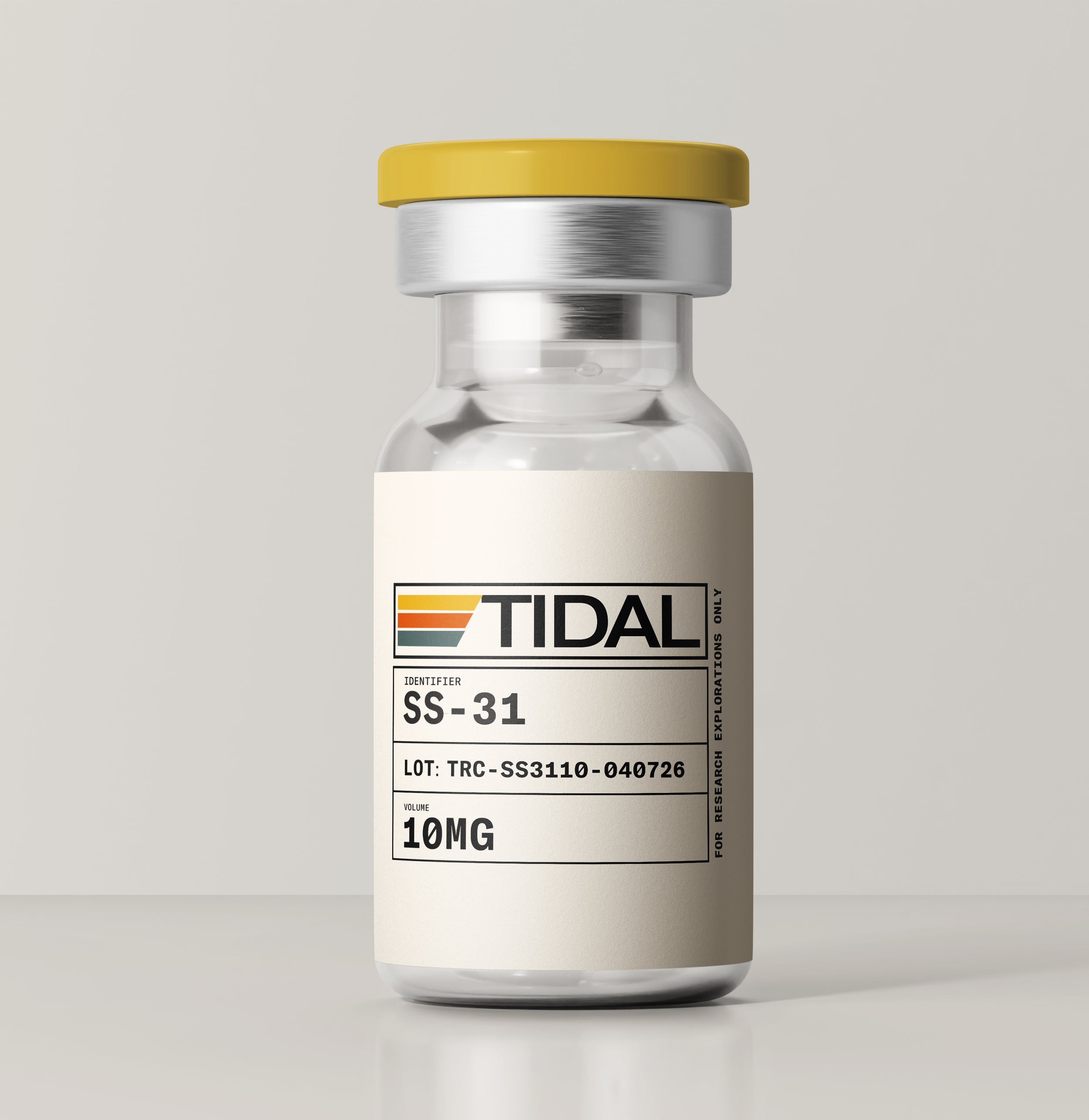
Full Name: D-Arg-Dmt-Lys-Phe-NH₂ (Elamipretide / Bendavia / MTP-131)
CAS Number: 736992-21-5
Molecular Formula: C₃₂H₄₉N₉O₅
Molecular Weight: 639.79 g/mol
Amino Acid Sequence: D-Arg-2',6'-dimethyltyrosine-Lys-Phe-NH₂
PubChem CID: 44559008
Appearance: White lyophilized powder
Solubility: Water-soluble
Storage: -20°C, desiccated, protected from light
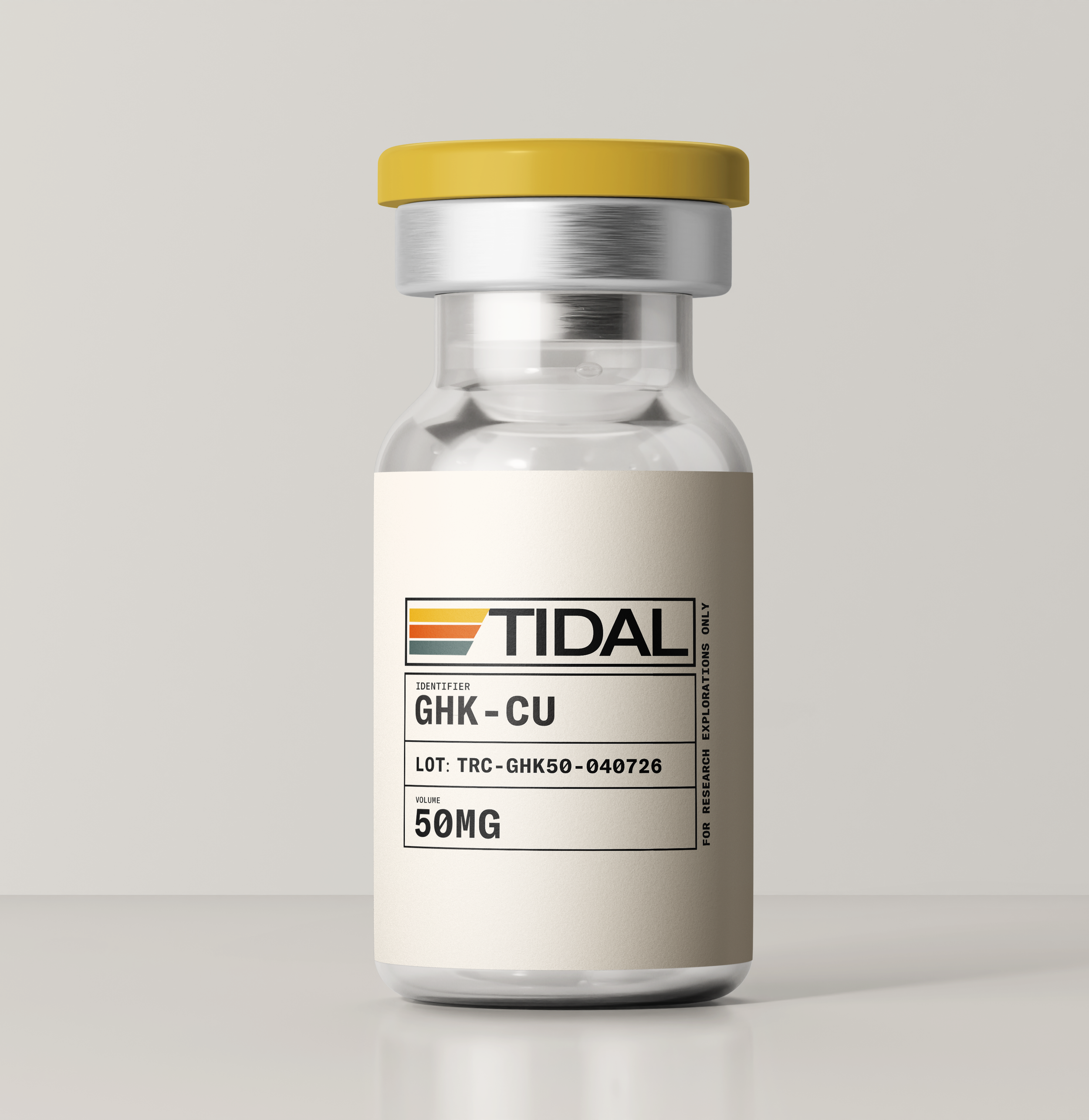
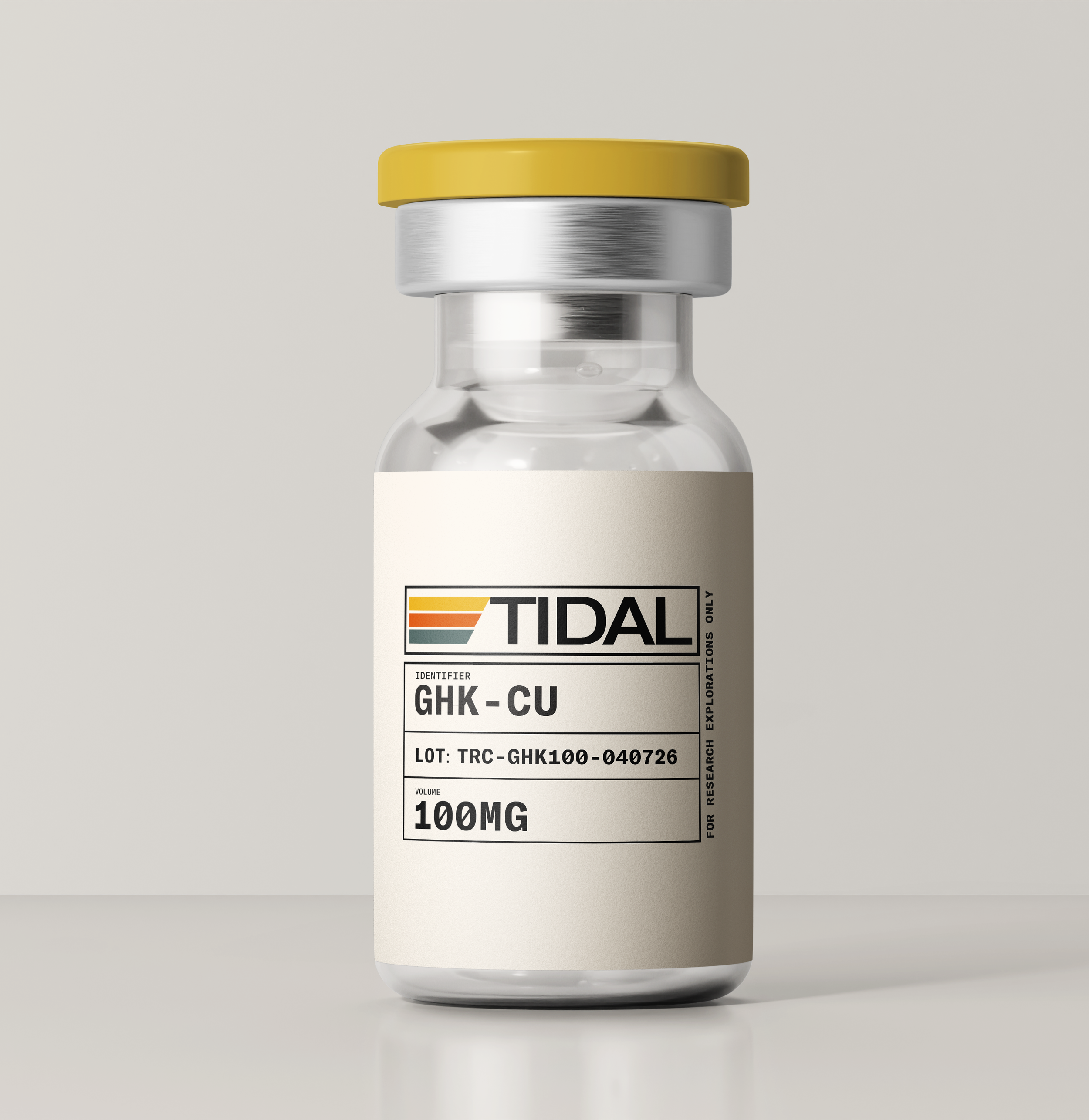
Full Name: Glycyl-L-histidyl-L-lysine:copper(II)
Also Known As: GHK-Cu, Copper tripeptide-1, Lamin
CAS Number: 49557-75-7 (GHK-Cu complex); 72957-37-0 (GHK free form)
Molecular Formula: C₁₄H₂₃CuN₆O₄ (copper complex)
Molecular Weight: 403.92 g/mol (copper complex); 340.38 g/mol (GHK free)
Amino Acid Sequence: Gly-His-Lys
PubChem CID: 73587 (GHK); 136981713 (GHK-Cu)
Appearance: Blue lyophilized powder (due to copper)
Solubility: Water-soluble
Storage: -20°C, desiccated, protected from light
Research Context
GHK-Cu is a naturally occurring copper-binding tripeptide first isolated from human plasma by Pickart and Thayer in 1973. It is one of the most well-characterized peptides in the copper biology literature, with over 100 published studies examining its role in copper transport, gene expression modulation, and extracellular matrix interactions.
Research interest spans several domains: copper homeostasis and metalloprotein biochemistry, gene expression studies (GHK-Cu has been shown to affect the expression of approximately 4,000 human genes at very low concentrations in cell culture — Pickart et al., 2015), collagen and decorin synthesis in fibroblast models, and superoxide dismutase activity modulation.
GHK-Cu is widely used as a reference standard in copper peptide analytical chemistry and as a model compound for studying metal-peptide coordination chemistry. Its distinctive blue coloration (from the Cu²⁺ coordination) makes it visually identifiable during analytical work.
Key References
Pickart L, Thayer WS. (1973). "Growth-modulating human plasma factor with high affinity for a copper(II) complex." Biochem Biophys Res Commun. 54(2):562-566. PMID: 4741690
Pickart L, et al. (2015). "GHK-Cu may prevent oxidative stress in skin by regulating copper and modifying expression of dozens of extracellular matrix genes." Cosmetics. 2(3):236-247.
Kang YA, et al. (2009). "GHK-Cu modulation of gene expression and metalloprotein activity." J Aging Res. PMID: 19946594
Maquart FX, et al. (1999). "Stimulation of collagen synthesis in fibroblast cultures by the tripeptide-copper complex GHK-Cu." FEBS Lett. 238(2):343-346. PMID: 3169264
Pickart L, Margolina A. (2018). "Regenerative and protective actions of the GHK-Cu peptide in the light of the new gene data." Int J Mol Sci. 19(7):1987. PMID: 29986520
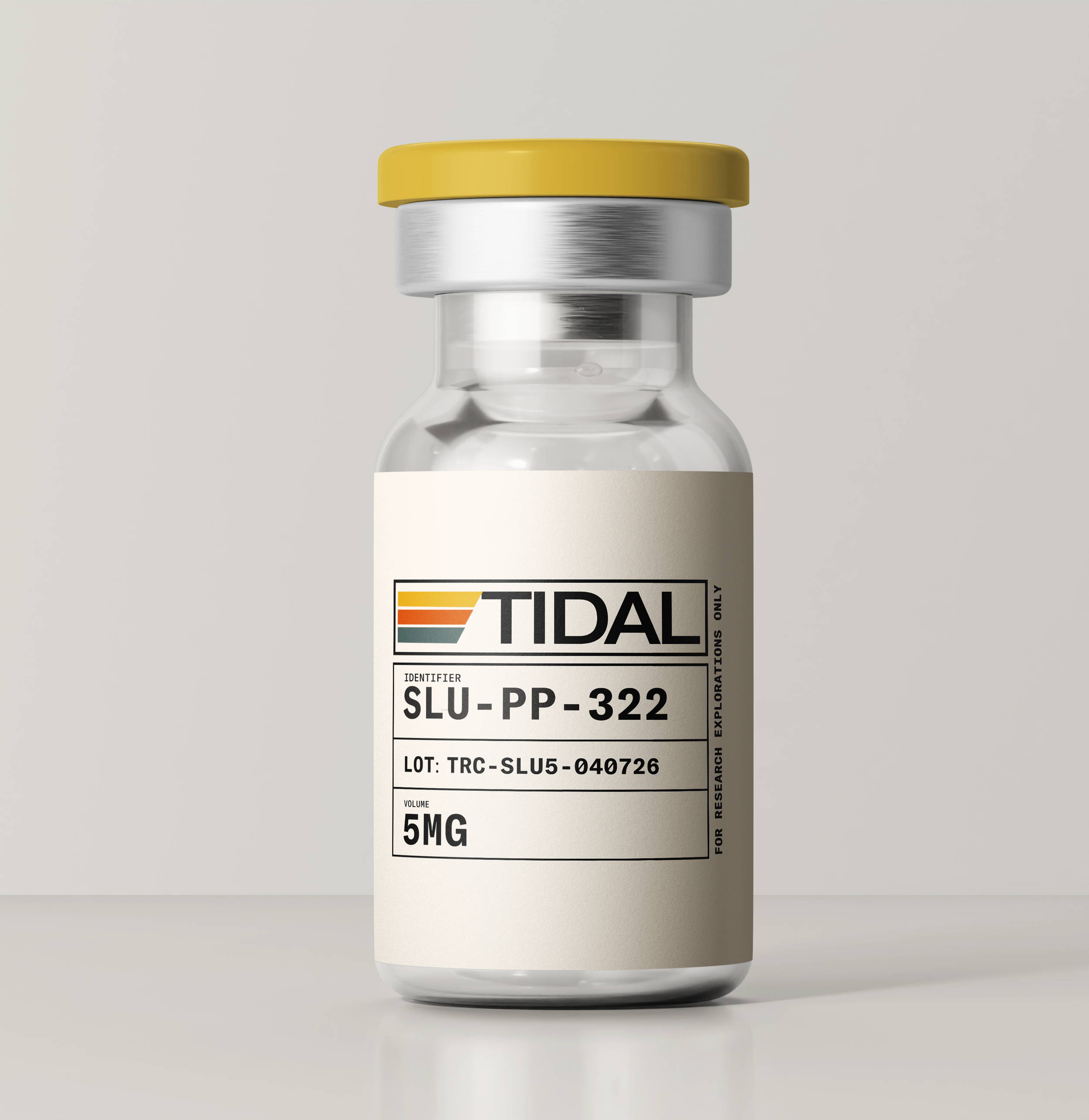
Full Name: SLU-PP-332 (ERRα/ERRγ agonist)
CAS Number: 2098751-58-3
Molecular Formula: C₂₉H₂₇NO₄
Molecular Weight: 453.53 g/mol
Appearance: White to off-white lyophilized powder
Solubility: DMSO-soluble; limited water solubility
Storage: -20°C, desiccated, protected from light